Phone:
+971 56 432 4710
Physical address:
AL KHABEESI BUILDING salah Al din street Office no G-01 - 646 Dubai

Phone:
+971 56 432 4710
Physical address:
AL KHABEESI BUILDING salah Al din street Office no G-01 - 646 Dubai
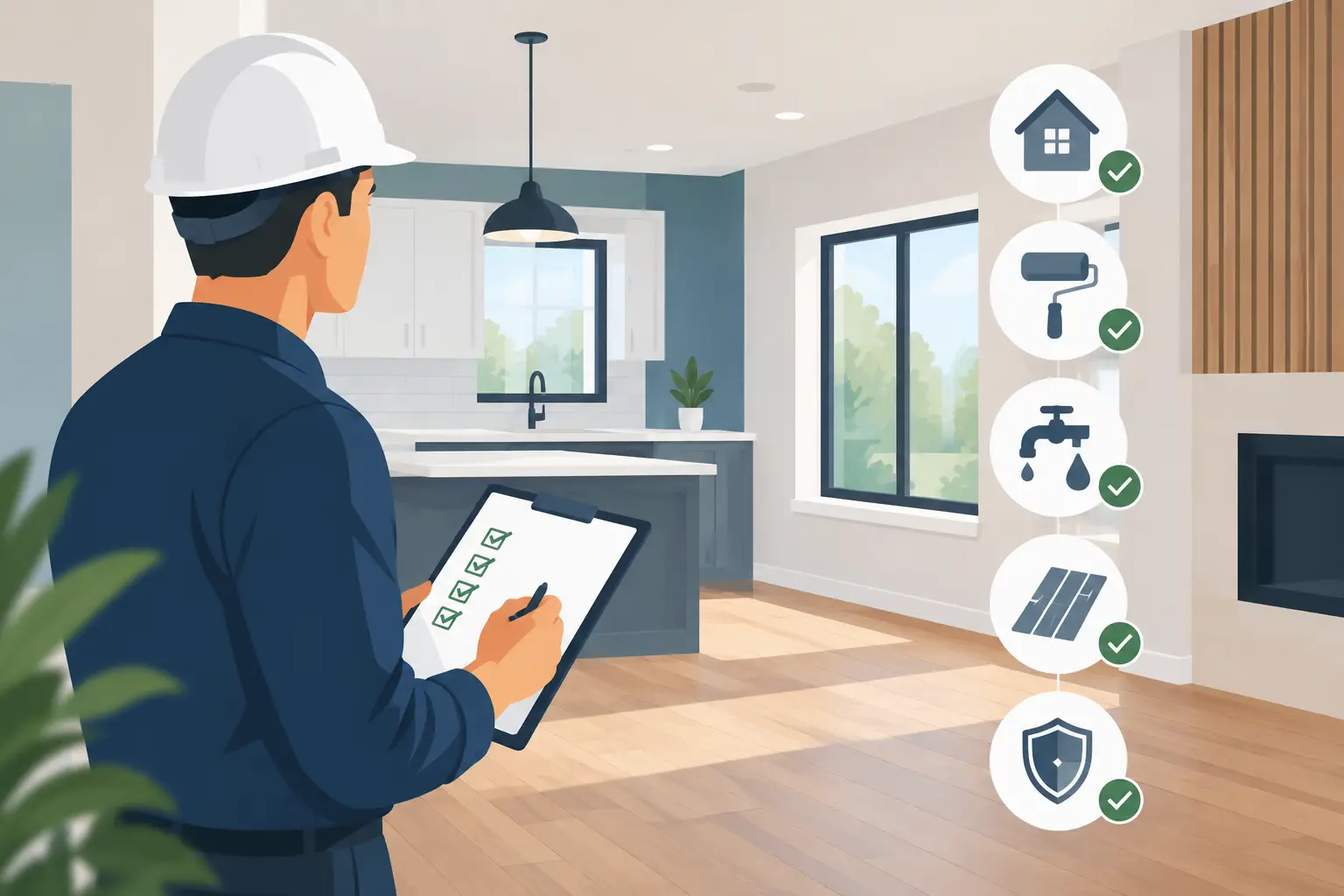
A renovation quality audit identifies defects, verifies workmanship, and documents repairs before they turn into costly property problems in the UAE.
A fresh renovation can look complete long before it is truly ready to live in, lease, or sell. Uneven finishes, concealed leaks, faulty electrical points, poorly fitted joinery, and incomplete sealing are easy to miss when attention is on the overall appearance. A renovation quality audit provides an independent, documented assessment of workmanship and installation quality before those issues become expensive maintenance problems or disputes with a contractor.
For homeowners, investors, landlords, and commercial property stakeholders, the objective is simple: confirm that the work delivered matches the agreed scope, performs as intended, and is safe for occupation. It is not about finding minor cosmetic issues for their own sake. It is about protecting the property, the budget, and the right to request proper rectification while the contractor remains responsible.
A renovation inspection reviews the property as a completed system, rather than judging individual finishes in isolation. A newly painted wall may look acceptable at first glance, but an experienced inspector may identify poor surface preparation, cracking around openings, moisture staining, or uneven coverage that points to a larger concern.
The scope depends on the type and scale of renovation. A kitchen refresh requires a different review from a full villa refurbishment, office fit-out, or warehouse upgrade. However, a thorough audit generally examines visible workmanship, functional performance, installation quality, and signs of incomplete or defective work.
This includes walls, ceilings, paintwork, tiling, flooring, grout, sealant, doors, windows, cabinetry, countertops, and decorative finishes. Inspectors look for alignment issues, chips, scratches, hollow tiles, inconsistent joints, poor edge finishing, gaps, movement, staining, and damage caused during installation.
Small defects can reveal a pattern. For example, inconsistent tile spacing may be a visual issue, but loose tiles or inadequate grouting can allow water penetration and lead to more significant repairs later. In wet areas, sealant failures around showers, sinks, and countertops deserve particular attention.
A property should not be handed back based only on appearance. Electrical outlets, switches, lighting points, distribution boards, plumbing fixtures, drainage, water pressure, air conditioning, ventilation, and water-heating components must be assessed for visible defects and operational concerns.
A quality audit can identify issues such as loose fittings, incorrect fixture installation, poor drainage falls, leaks beneath sinks, unsealed pipe penetrations, damaged socket faces, inadequate labeling, or AC grilles that are improperly fitted. Where appropriate, inspectors use professional tools to detect concerns that are not obvious during a casual walkthrough.
Not every issue can be confirmed without invasive testing or specialist commissioning records. That distinction matters. A professional report should clearly state what was visually inspected, what was tested, and where further investigation is recommended rather than presenting assumptions as facts.
Renovations often fail at the final details. Missing covers, sharp edges, unstable fixtures, exposed wiring, obstructed access panels, incomplete cleaning, and leftover construction debris can affect safety, usability, and handover readiness.
An audit also compares the completed work against the visible requirements of the agreed scope. If a bathroom was renovated but access to essential valves has been blocked, or if a built-in unit prevents access to an electrical panel, the work may be finished visually but not practically. These are the issues that can create avoidable disruption once the property is occupied.
The contractor who completed the renovation may conduct an internal check, but that is not the same as an independent quality review. Contractors manage schedules, subcontractors, materials, and client expectations. Even reputable teams can overlook defects during a rushed final stage.
An independent inspection brings a separate set of eyes, a consistent process, and documentation designed to support rectification. This is especially valuable when the property owner does not have the technical experience or time to challenge vague assurances such as “that is normal” or “it will settle.” Some minor movement or variation can be expected depending on materials and building conditions. But defects should be assessed against reasonable workmanship expectations, functionality, and the agreed finish level.
Clear evidence changes the conversation. A defect report with photos, locations, descriptions, and rectification guidance gives the contractor a practical action list. It also helps owners track which items have been resolved and which require follow-up before final payment or sign-off.
The best time is after the contractor declares the work substantially complete, but before final acceptance, final payment, or furniture installation. At this stage, the finishes, fixtures, and systems are accessible, and the contractor can return to address issues without disrupting daily life.
Scheduling too early can create an unnecessary report filled with items that were already planned for completion. Scheduling too late can be equally problematic. Once a tenant moves in, appliances are installed, or furniture covers walls and flooring, proving whether an issue resulted from the renovation becomes more difficult.
For larger projects, more than one inspection may be sensible. A mid-project review can identify defects before finishes conceal them, while a final audit focuses on completion, operation, and presentation. This approach is particularly useful for villas, multi-unit investments, commercial fit-outs, and renovations involving substantial MEP work.
A report should do more than say that workmanship is “poor” or “unsatisfactory.” General comments leave room for disagreement and make it harder for contractors to organize repairs. The strongest reports are specific, visual, and easy to act on.
A practical renovation report records the location of each issue, a clear description of the observed defect, supporting photographs, and a recommended corrective action. It should separate urgent safety or water-related concerns from standard finishing items, allowing the property owner to prioritize properly.
Fast delivery is also important. A report issued within 24 to 48 hours helps keep the renovation timeline moving and gives the contractor a timely basis for rectification. SmartSnag provides detailed inspection documentation designed to make that next step clearer, not more complicated.
The most costly issues are not always the most visible. A chipped tile is easy to spot. A slow leak under a vanity, an improperly sealed shower screen, or an AC drainage issue may remain unnoticed until it damages finishes, affects a neighboring unit, or causes mold and odor problems.
Common post-renovation findings include uneven flooring, cracked grout, hollow or misaligned tiles, paint blemishes, ill-fitting doors, damaged joinery, loose sanitary fixtures, faulty drainage, incomplete silicone sealing, and poorly finished electrical accessories. In UAE properties, air conditioning performance, condensation risks, and water-related defects should receive careful attention because of their impact on comfort and long-term maintenance.
The audit should also account for the property’s intended use. A landlord preparing a rental unit may prioritize durability, safety, and tenant-ready presentation. An owner renovating a personal residence may have higher expectations for finish consistency and bespoke joinery. An investor may focus on defects that affect valuation, maintenance exposure, or the speed of leasing. The inspection criteria should reflect these priorities without overlooking essential technical checks.
Give the inspector access to every renovated room, balcony, bathroom, storage area, electrical panel, AC control, and relevant service space. Remove packaging, tools, and construction materials where possible. If cabinets or access panels are locked, arrange keys in advance.
It is also helpful to provide the renovation scope, approved drawings, specifications, and any list of agreed materials or fixtures. These documents help distinguish a workmanship defect from a change in scope. If you have raised concerns during the project, share them before the inspection so they can be reviewed carefully.
Avoid accepting a final walkthrough that relies only on verbal promises. If the contractor agrees to correct an item, it should be documented. After repairs are completed, a reinspection or verification visit can confirm whether the work has been properly addressed rather than merely concealed.
Renovation work can improve a property’s comfort, value, and rental appeal, but only when the finished result performs as well as it looks. A professional audit gives you a clear record of the property’s condition at the point of handover and a stronger basis for requesting proper repairs.
Before you release final payment or move furniture into a newly renovated space, allow time for an independent review. A careful inspection at the right moment can prevent a short defect list from becoming a long and costly maintenance file.