Phone:
+971 56 432 4710
Physical address:
AL KHABEESI BUILDING salah Al din street Office no G-01 - 646 Dubai

Phone:
+971 56 432 4710
Physical address:
AL KHABEESI BUILDING salah Al din street Office no G-01 - 646 Dubai
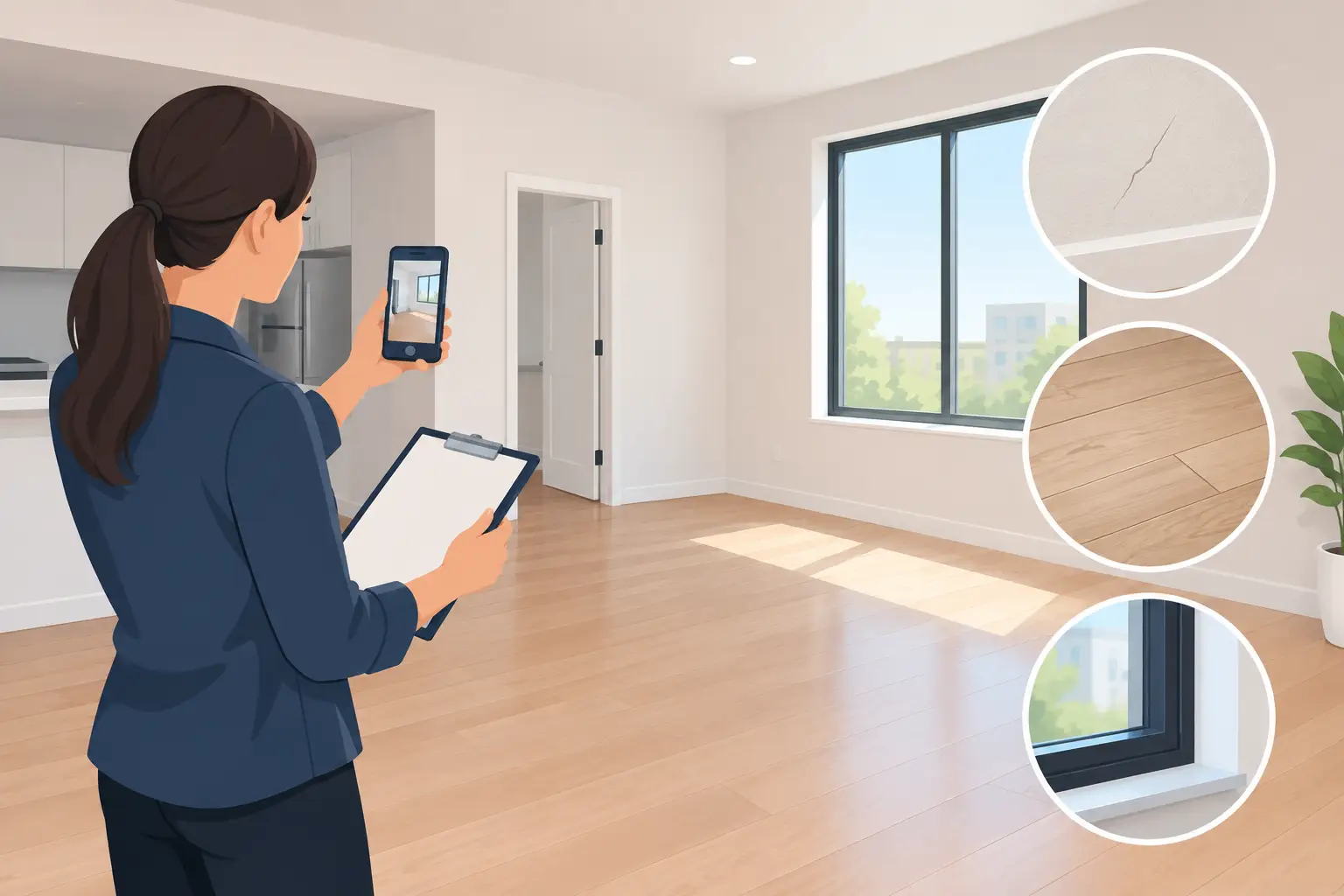
Learn how to record rental condition with photos, checklists, and clear notes that protect tenants and landlords from disputes at move-in and move-out.
A rental property can look spotless during a quick viewing and still have loose outlets, leaking seals, chipped tiles, or an AC system that does not cool correctly. Knowing how to record rental condition before keys change hands creates a reliable baseline. It protects tenants from being blamed for pre-existing damage and gives landlords clear evidence of the property’s condition at the start of the tenancy.
A good record is more than a few phone photos. It should show what was inspected, where an issue is located, how serious it is, and whether it was present before move-in. When a deposit, repair responsibility, or move-out claim is questioned later, vague descriptions rarely settle the matter. Clear documentation does.
The best time to document a rental is immediately before move-in, when the property is empty and every surface is visible. Once furniture, curtains, rugs, and boxes are in place, it becomes harder to prove whether a scratch, stain, or defect was already there.
Arrange the inspection after cleaning and any agreed repairs are complete, but before the tenant takes possession. If this timing is not possible, document the condition on the day keys are received and notify the landlord or property manager promptly of any concerns found.
For landlords, the same principle applies at move-out. Inspect after the tenant has removed belongings, but before cleaning, repainting, or maintenance work begins. Correcting an issue before documenting it can erase the evidence needed to establish responsibility.
A room-by-room approach prevents rushed inspections and missed areas. Begin at the entrance and follow the same route through the property every time. For example, inspect the entry, living areas, kitchen, bedrooms, bathrooms, balconies, storage spaces, and external areas in order.
For each room, record the overall condition first, then capture individual items and defects. Your notes should be factual rather than emotional. Write “two chips on the left edge of the kitchen counter” instead of “counter is damaged.” Add the precise location, approximate size, and any visible effect on use or safety.
Photographs should support the written record, not replace it. Take a wide image to establish the room or area, then a closer image of the issue. For small damage, place a measuring tape, ruler, or familiar size reference nearby. This makes a small crack or mark easier to evaluate later.
Videos can be useful for showing a walkthrough, cabinet operation, water flow, or noise from equipment. However, video alone is difficult to search and may not capture detail clearly. Use it as supporting evidence alongside labeled photos and a written condition report.
Check ceilings, walls, flooring, skirting, doors, windows, locks, cabinetry, countertops, and wardrobes. Look for stains, cracks, dents, peeling paint, swollen wood, damaged silicone, and signs of moisture. Open and close doors and windows rather than assuming they function correctly because they appear intact.
In kitchens, operate drawers, cabinet doors, extractor fans, taps, sinks, and built-in appliances where included in the lease. Photograph appliance model and serial numbers if applicable. Note missing shelves, damaged seals, loose handles, and drainage concerns.
Bathrooms deserve close attention because water damage can become expensive quickly. Test taps, showers, flush mechanisms, drains, extractor fans, and hot water. Record cracked tiles, deteriorated grout, leaking fittings, poor drainage, and stains around ceilings or walls. A bathroom that looks clean may still have concealed plumbing or waterproofing concerns.
Rental condition is not limited to cosmetic appearance. Test lighting, switches, electrical outlets, AC controls, water pressure, exhaust fans, intercoms, smoke detectors, and access controls. In villas and larger properties, also review outdoor lighting, gates, irrigation, pools, roof access, and parking areas where relevant.
A basic tenant inspection can identify visible concerns, but it may not reveal technical defects in mechanical, electrical, and plumbing systems. If the property has been vacant, recently renovated, or handed over by a developer, an independent inspection can provide a more dependable baseline. This is especially valuable when the tenancy involves a premium villa, a high-value furnished unit, or commercial premises.
A condition report should identify the property, the inspection date, the people present, and the condition of each inspected area. It should include photo references so that a written note can be matched to the correct image.
Avoid broad statements such as “good condition” without supporting detail. A property may be generally well maintained while still having items that require attention. Separate normal wear from damage, and distinguish a cosmetic issue from a defect affecting operation, safety, or habitability.
A practical report can include the following details:
Keep the original photos in a secure folder and retain the unedited image files. Most smartphones store dates and other file information automatically, which can support the timeline if a dispute arises. Do not rely on images shared only through messaging apps, since compression or lost chat history can reduce their usefulness.
Sending the report is not enough. Ask the other party to confirm receipt and respond to listed defects in writing. If the landlord agrees to complete repairs, record what will be repaired, who is responsible, and the expected completion date.
For tenants, a signed move-in report does not mean you should ignore later issues. Report leaks, electrical concerns, AC failures, pest activity, and new damage as soon as they appear. Waiting can make a minor problem worse and may create questions about whether it developed through neglect.
For landlords, keep repair invoices, contractor reports, and dated completion photos with the condition report. This creates a clear maintenance record and demonstrates that concerns were addressed responsibly. It also helps distinguish tenant-caused damage from defects related to age, workmanship, or building systems.
This is where many rental disagreements begin. Normal wear is the expected effect of reasonable use over time, such as lightly worn carpet paths, minor fading, or small paint scuffs. Damage is typically avoidable harm, such as broken fixtures, burns, large stains, unauthorized alterations, or holes beyond ordinary hanging marks.
The answer depends on the property’s age, the length of the tenancy, and the quality of the original finishes. A brand-new apartment and a ten-year-old unit should not be judged by the same cosmetic standard. The move-in report is critical because it establishes what was already present before the tenant occupied the space.
In the UAE, tenancy procedures and security-deposit expectations can vary by emirate, lease terms, and property manager. A detailed, mutually acknowledged record is a practical safeguard, but it should not replace reviewing the lease or seeking appropriate legal guidance when a dispute becomes serious.
A professional inspection adds value when the consequences of missed defects are high. Landlords with multiple units may need consistent, independent reporting between tenants. Tenants moving into a luxury property may want technical issues identified before they accept responsibility. Investors and owners managing property remotely may need an impartial condition record they can rely on.
Certified inspectors can assess visible workmanship, finishes, MEP components, moisture indicators, fixtures, and operational concerns in a systematic way. SmartSnag provides rental move-in and move-out inspections with detailed defect documentation, photographs, and clear rectification guidance, helping both parties begin or end a tenancy with greater transparency.
The most useful condition record is the one created before disagreements begin. Take the time to inspect carefully, write precisely, and keep every record together. That small discipline at move-in can protect the property, the deposit, and the working relationship for the full term of the lease.