Phone:
+971 56 432 4710
Physical address:
AL KHABEESI BUILDING salah Al din street Office no G-01 - 646 Dubai

Phone:
+971 56 432 4710
Physical address:
AL KHABEESI BUILDING salah Al din street Office no G-01 - 646 Dubai
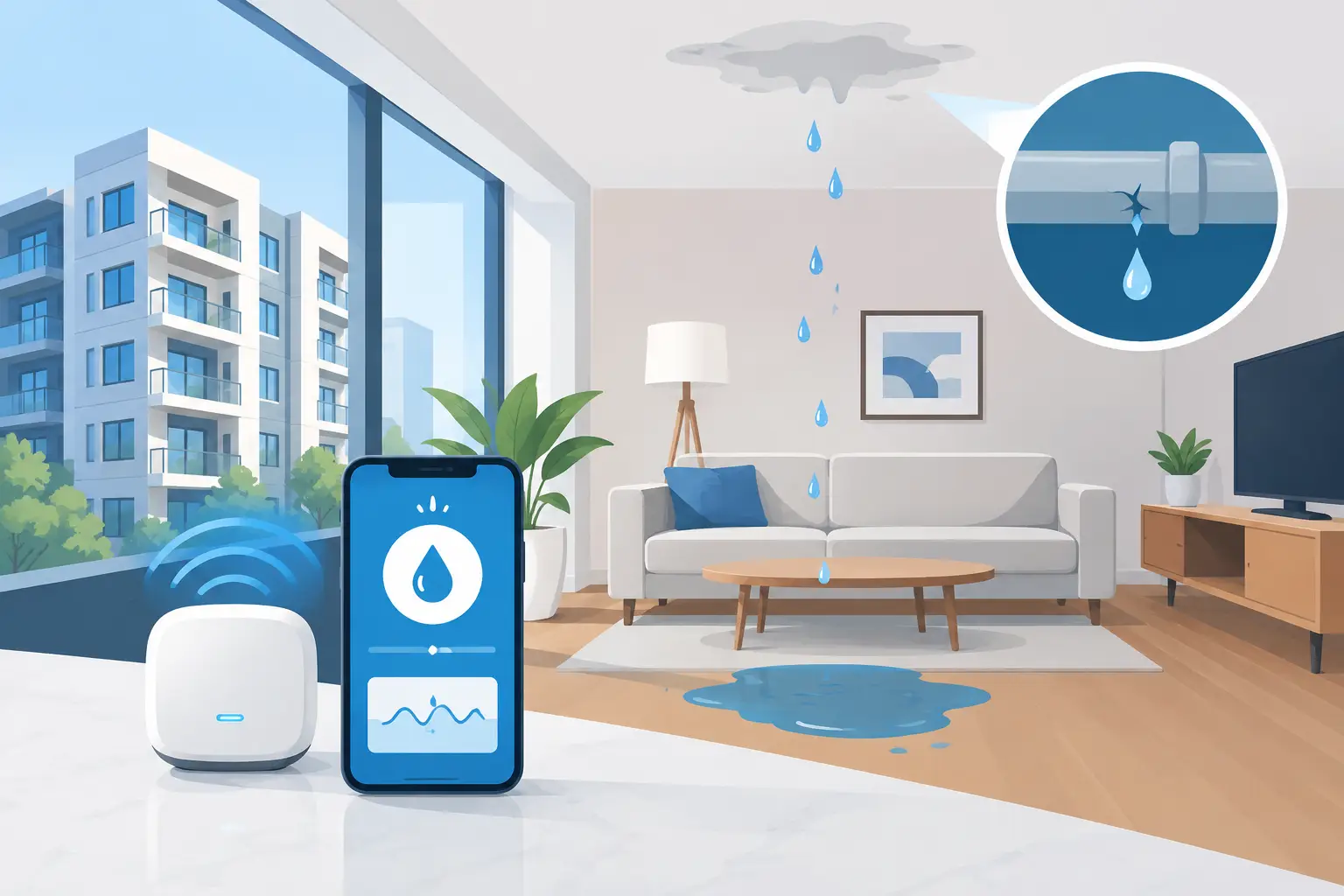
Water leakage detection in apartments protects your property from hidden damage. Learn warning signs, inspection methods, and when to call certified experts
A small stain below an AC vent, a musty cabinet under the sink, or paint that begins to bubble near a bathroom wall can signal a much larger issue. Water leakage detection in apartments is not simply about finding visible drips. It is about locating the source before moisture damages finishes, weakens materials, affects neighboring units, or creates a costly handover or tenancy dispute.
For apartment buyers, landlords, and tenants, the challenge is that water rarely appears where the problem begins. A leak may travel through ceilings, wall cavities, service shafts, and floor screeds before becoming visible. A professional inspection creates a clear record of what is found, where it is found, and what should be rectified.
Water damage escalates quickly in enclosed spaces. Moisture can compromise gypsum ceilings, timber joinery, paint finishes, flooring adhesives, electrical fittings, and built-in cabinetry. If the issue continues, mold growth and persistent odors may follow, particularly in bathrooms, kitchens, laundry areas, and spaces with limited ventilation.
In multi-unit buildings, responsibility can also be less straightforward than it appears. The source may be inside the apartment, in a shared plumbing line, from the unit above, or related to a building facade, roof, or common-area system. Early, evidence-based detection helps owners and tenants raise the issue with the right party instead of paying for cosmetic repairs that do not address the cause.
For buyers accepting a new apartment, leakage findings should be documented before handover whenever possible. For a resale property or rental home, checking for moisture before moving in protects against disputes over pre-existing damage.
Some leaks are obvious, such as a dripping mixer, a wet floor around a washing machine connection, or water collecting below a sink. Others are gradual and easy to dismiss. The most common warning signs include discoloration on ceilings or walls, peeling paint, swollen skirting boards, cracked or loose grout, rust around fixtures, warped cabinetry, and a musty smell that returns after cleaning.
Pay particular attention to ceilings beneath bathrooms, kitchens, balconies, and AC drain routes. A circular ceiling mark may be caused by a leaking shower waterproofing system, a failed pipe connection, an overflowing condensate drain, or water entering from the apartment above. The visible mark alone cannot confirm the source.
Bathrooms deserve extra scrutiny because they contain multiple concealed risk points: supply pipes, waste pipes, floor drains, shower enclosures, tile joints, waterproofing membranes, and sanitary fixture connections. A bathroom can look clean and finished while water is escaping behind a wall or beneath the floor.
A proper inspection starts with a methodical visual assessment, then uses appropriate tools to investigate suspicious areas without unnecessary damage. Certified inspectors assess the condition of ceilings, walls, floors, sanitary fittings, plumbing connections, kitchen cabinetry, balconies, utility areas, and AC components.
A moisture meter can identify elevated moisture levels in materials such as drywall, timber, and plaster. Readings are compared across nearby areas to distinguish a localized concern from normal variations in material condition. This is especially useful where staining has been painted over or where no active drip is visible.
Thermal imaging can reveal temperature differences that may indicate damp areas, leaking cold-water lines, or abnormal moisture patterns. It is a valuable non-invasive tool, but it is not a standalone diagnosis. A thermal image shows a temperature variation, not the exact reason for it. Experienced inspection is required to interpret whether the pattern relates to moisture, air-conditioning, insulation, sunlight exposure, or another condition.
Inspectors check accessible pipework, valves, flexible hoses, traps, sealants, and connections around sinks, toilets, bidets, washing machines, dishwashers, and water heaters. They also look for slow drainage, loose fixtures, deteriorated silicone, and signs of prior repairs.
Where appropriate, controlled water testing can help identify defects around shower screens, floor drains, balcony thresholds, and wet-area finishes. The scope should be selected carefully. Aggressive or poorly managed testing can create disruption, while a targeted test can provide the evidence needed for rectification.
In UAE apartments, AC condensate drainage is a frequent area of concern. A blocked, poorly sloped, disconnected, or leaking condensate line can cause ceiling staining, dampness near fan coil units, and recurring water marks that homeowners may mistake for a plumbing leak.
Inspection should include accessible AC drain points, fan coil areas, drain pipe conditions, insulation, and evidence of water pooling. Utility cupboards, false ceilings, and areas behind access panels should not be overlooked, as they often conceal defects until visible damage has already occurred.
Repainting a water mark may improve the appearance for a short time, but it does not solve the underlying condition. The same applies to adding silicone over a failed junction without checking whether water has already penetrated behind the finish.
The right remedy depends on the cause. A loose trap under a basin may need a straightforward adjustment or replacement. A failed waterproofing membrane may require a more substantial repair to the bathroom finish. A leak from a shared riser or the apartment above requires prompt reporting and coordinated access. These scenarios have very different costs, responsibilities, and timelines.
Clear documentation is essential. A useful inspection report should identify the affected location, describe the observed defect or symptom, include supporting photographs and readings where relevant, and state practical rectification guidance. This gives owners, tenants, developers, contractors, and building management a common factual reference.
The best time for leakage checks depends on the property stage. Before a new-build handover, an inspection can identify visible moisture concerns, plumbing defects, poor sealant application, drainage issues, and AC-related risks before the developer closes out the unit. During the defects liability period, it helps owners document concerns that emerge after occupancy.
For secondary-market purchases, a water leakage inspection should be part of the wider property condition assessment. Fresh paint, new ceiling panels, or recently replaced cabinets can be legitimate improvements, but they can also hide the signs of a past or unresolved leak. Buyers should ask for clarity rather than assume a cosmetic finish confirms a sound repair.
Landlords benefit from checks before and after a tenancy. Establishing the apartment’s condition at move-in reduces disagreements over responsibility for stains, damaged cabinetry, or mold. Tenants should report suspicious moisture promptly and retain dated photos, especially if the issue may affect their belongings or living conditions.
Arrange an urgent assessment when water is near electrical outlets or fixtures, when a ceiling is sagging, when the leak is active, or when there is a strong persistent odor. In these cases, safety and damage limitation come first. Shut off the local water supply if it is safe to do so, avoid using affected electrical equipment, and notify building management or the relevant maintenance provider.
Not every maintenance visit provides a complete assessment. A contractor may focus on completing a repair, while an independent inspection focuses on identifying and documenting the condition before work begins. Both can be valuable, but they serve different purposes.
For handover, resale, or dispute-sensitive situations, use qualified inspectors who understand apartment construction, MEP systems, moisture testing limitations, and the documentation standards needed for rectification. SmartSnag provides detailed defect reporting with photographs and clear recommendations, helping property stakeholders act on evidence rather than assumption.
The most effective protection is to investigate early, document accurately, and repair the source rather than the symptom. A timely inspection can preserve finishes, prevent wider damage, and give you a stronger position when requesting accountable action.