Phone:
+971 56 432 4710
Physical address:
AL KHABEESI BUILDING salah Al din street Office no G-01 - 646 Dubai

Phone:
+971 56 432 4710
Physical address:
AL KHABEESI BUILDING salah Al din street Office no G-01 - 646 Dubai
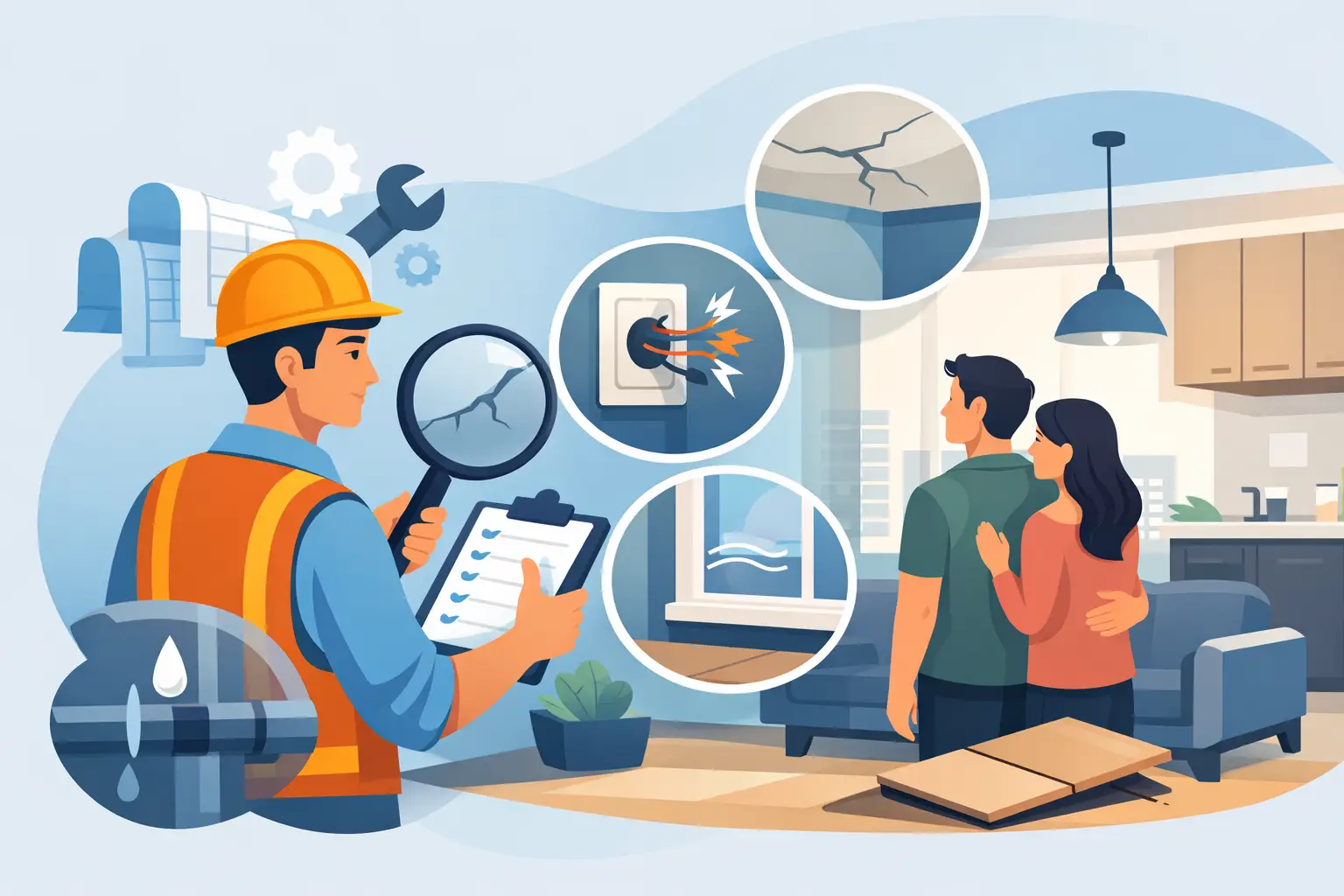
Identify top apartment snagging defects before handover to protect your investment and obtain a clear, certified rectification report for quick action.
A newly completed apartment can look immaculate during a handover viewing while hiding defects that become expensive, disruptive problems after you move in. The top apartment snagging defects are not always dramatic. They are often small workmanship, finishing, plumbing, electrical, and HVAC issues that need trained inspection and clear documentation before you accept the property.
For buyers, investors, landlords, and tenants, snagging is a practical form of quality control. It creates a record of what requires correction, gives the developer or contractor a defined rectification list, and protects you from being left to resolve avoidable issues after handover.
Once handover is complete, responsibility for a defect can become harder to establish. A developer may ask whether the issue was present at delivery, while contractors may argue that damage happened during moving, furnishing, or later use. A detailed snagging inspection removes much of that uncertainty by recording defects with photographs, locations, and clear descriptions before occupancy.
Early action also matters because apartment systems are connected. A minor water leak beneath a vanity can damage cabinetry, finishes, and neighboring units. An incorrectly sloped balcony drain may not show its full effect until heavy rain or washdown. A poorly balanced air-conditioning system can mean persistent discomfort, high utility bills, and later access work to ceilings or service panels.
In the UAE, high temperatures, humidity, and intensive air-conditioning use make MEP performance especially important. Cosmetic defects deserve correction, but defects affecting water, electrical safety, drainage, ventilation, or building systems should receive immediate priority.
Paintwork is among the easiest issues to spot, but it is also one of the most commonly overlooked when buyers focus on the apartment layout. Look closely at walls and ceilings under natural light and with lights switched on. Uneven paint, roller marks, patchy touch-ups, stains, peeling, cracks, and visible joint lines can indicate rushed finishing or insufficient surface preparation.
Hairline cracks are not always structural, particularly in new construction where materials settle and dry. Even so, they should be documented. Cracks around door frames, window openings, ceiling joints, and service shafts may require further review, especially if they are wide, recurring, or accompanied by moisture marks.
Flooring defects affect appearance, safety, and long-term durability. Tile installations may have chipped edges, inconsistent grout lines, hollow areas, lippage where one tile sits higher than the next, or poor cuts around corners and fixtures. Hollow-sounding tiles can point to inadequate adhesive coverage and may loosen or crack later.
For timber, laminate, or vinyl flooring, check for scratches, swelling, open joints, uneven transitions, and movement underfoot. Pay particular attention near kitchens, bathrooms, balconies, and exterior doors, where moisture exposure is more likely. A floor can appear acceptable from the doorway but reveal significant workmanship problems when inspected room by room.
Doors and cabinetry should open, close, latch, and align without force. Common snags include rubbing doors, loose handles, damaged veneers, uneven gaps, misaligned hinges, incomplete silicone sealant, and drawers that do not slide smoothly. Wardrobe doors may look aligned when closed but bind on their tracks or fail to meet properly at the center.
Kitchen and bathroom joinery deserves careful inspection because it is frequently exposed to heat and moisture. Check under sinks for unfinished edges, water damage, unsecured pipework, missing caps, and gaps that could allow pests or water into cabinets. Small joinery defects can quickly become more noticeable after daily use.
Plumbing defects are among the highest-priority findings in an apartment snagging inspection. Every accessible tap, mixer, shower, toilet, bidet spray, drain, and water connection should be tested. Inspectors look for leaks at valves and pipe joints, unstable fixtures, low water pressure, inconsistent hot water, dripping taps, and drainage that backs up or drains slowly.
Bathrooms require particular attention. Water should flow toward the floor drain rather than collect at corners, near the toilet, or outside the shower area. Shower screens must be properly sealed and aligned, while sealant around sanitary fixtures should be neat and complete. Water staining, swollen cabinetry, or a persistent odor may indicate a hidden leak or inadequate trap seal.
A defect that seems minor during a short viewing can become a major maintenance claim after the apartment is occupied. It is far easier to request rectification before handover than to pursue repairs after water has damaged finishes.
Air conditioning is not a comfort extra in Gulf apartments. It is a core building service. Common defects include poor cooling output, noisy fan coil units, water dripping from condensate lines, dirty or damaged grilles, unbalanced airflow, thermostat faults, and inadequate access to service components.
An inspection should assess whether units respond correctly, whether airflow is present in each room, and whether visible signs suggest leakage or poor installation. Condensation around vents, ceiling staining, and unusual vibration should never be dismissed as normal. These conditions can point to drainage, insulation, or mechanical issues that require correction.
Ventilation also matters in bathrooms, kitchens, and enclosed utility areas. Weak extraction can contribute to odors, moisture buildup, and mold growth. Where applicable, test extractor fans and check that grilles are securely fitted and free from obvious damage.
Electrical issues can be hidden behind a clean finish, which is why visual checks alone are not enough. Common snagging findings include loose switches or sockets, damaged faceplates, poorly aligned fittings, non-functioning outlets, inconsistent lighting, missing labels at the distribution board, and incomplete sealing around electrical points.
A proper inspection checks accessible electrical fixtures and verifies that switches, outlets, lights, and safety devices function as expected. The distribution board should be accessible, clearly labeled, and free from obvious installation concerns. Any sign of overheating, buzzing, tripping, or loose components requires prompt professional attention.
Buyers should also confirm that all promised fixtures have been installed. Missing light fittings, data points, appliance connections, intercom components, or smoke detectors can be overlooked if they are not compared against the approved specifications or sale agreement.
Windows and sliding balcony doors should move smoothly, lock securely, and close tightly. Defects may include scratched glass, damaged frames, loose handles, poor seals, gaps around frames, sticking tracks, and failed locks. These are more than visual concerns. Poor sealing can allow dust, heat, water, and outside noise into the apartment.
Balconies require a close review of tiles, drainage, railings, door thresholds, and sealant. Check that drains are clear and properly positioned, that railings are secure, and that there are no damaged tiles or exposed sharp edges. Waterproofing failures are often concealed until water enters the property below, so signs of staining, cracked sealant, or poor falls toward drains should be documented immediately.
Not every defect is technical, but incomplete delivery still affects the value and readiness of the apartment. Missing keys, access cards, remote controls, manuals, parking identifiers, and appliance accessories can create immediate inconvenience. So can construction debris, paint splashes, adhesive residue, dirty glass, blocked drains, and unremoved protective film.
These items should be included in the snagging record rather than treated as informal requests. A clear report helps ensure that the property is delivered in the condition you agreed to receive.
Not all findings carry the same risk. A useful report separates urgent functional or safety defects from finish defects and minor observations. This helps the developer, contractor, or property manager organize rectification work and helps you verify that high-risk issues have not been missed.
Priority should generally be given to water leaks, drainage failures, electrical concerns, air-conditioning faults, unsecured glazing or railings, and defects that could cause damage to adjacent units. After that, focus on incomplete installations, doors and windows that do not function correctly, and workmanship defects that affect the apartment’s appearance or durability.
The strongest snagging reports do more than list faults. They identify the room or area, describe the issue precisely, provide supporting photographs, and state the required corrective action. This level of documentation supports clear communication and reduces disagreements about what needs to be repaired.
A buyer can identify obvious scratches or stains, but many apartment defects require systematic testing and construction knowledge. Plumbing connections, drainage falls, cooling performance, electrical points, sealant quality, and concealed workmanship are easy to miss during a quick handover appointment.
A certified inspection gives you an independent record built around the property, not the developer’s delivery schedule. SmartSnag provides detailed apartment snagging reports within 24 to 48 hours, helping clients present documented findings and follow up on rectification with confidence.
Before signing final acceptance, take the time to inspect carefully, retain all handover records, and ensure every agreed defect is recorded. A few hours spent on a thorough snagging inspection can protect years of ownership, rental income, and peace of mind.